A water bill that jumped 30% with no change in usage. A ceiling stain that keeps reappearing after patches. A soft spot in the flooring with no visible source. These are signs of a hidden leak that's been running long enough to cause structural damage — and every day it runs is money lost and damage accumulating. Masters Plumbing Service uses acoustic ground microphones, thermal imaging cameras, and precision pressure testing in Monroeville, NJ to locate leaks without speculative demolition.
📞 Call +1-855-718-1500 — Find Your Leak Today
A pressure test tells us a leak exists and how much water is escaping. Detection equipment tells us precisely where.
Pressurized supply line leaks create a distinctive low-frequency sound as water escapes the pipe and contacts surrounding soil or structure. Our acoustic listening devices amplify this signal, filtered for background noise, so we can walk a grid pattern and triangulate the loudest point — often to within 6–12 inches of the actual break.
Thermal imaging is particularly effective inside insulated wall cavities and for finding the extent of moisture spread beyond the immediate leak point. It tells us not just where the pipe is failing but how far the moisture has already traveled.
Pressure decay testing is the standard by which we confirm a leak is present before committing detection equipment time. It also tells us approximately how significant the leak is — a rapid pressure drop vs. a slow one indicates the size of the escape point.
Tracer gas detection is the method of last resort for the most challenging cases — it adds cost and setup time. We use it when acoustic and thermal methods haven't produced a definitive location and the evidence clearly supports an active leak.
Our detection service covers the full property, not just the obvious locations.
Supply lines run under or through the concrete slab in most slab-on-grade homes. When these lines fail — from corrosion, shifting, or manufacturing defects — the leak is invisible from the surface but audible to acoustic equipment. We walk the floor on a grid pattern, map the loudest detection points, and triangulate to a specific floor location, typically within a square foot.
Wall and ceiling leaks are often traced by following a visible stain to its apparent high point — but the visible damage can be several feet from the actual pipe failure due to how water travels down framing members. Thermal imaging reveals the wet zone accurately, and acoustic equipment confirms the pipe location within the wall cavity.
We mark the ground above the detected leak location so the repair crew opens only the section they need to.
Pool plumbing — suction and return lines buried between the equipment pad and the pool shell — can develop leaks at fittings or in the pipe body that appear as unexplained water loss. We pressure-test the pool plumbing circuit, isolate the return and suction lines separately, and use acoustic detection to find which line and where.
Commercial water loss from undetected leaks often shows up as elevated utility bills for months before physical evidence appears. We can assess a commercial building's plumbing system for suspected leaks at the property owner's or property manager's request.
Insurance claims for water damage from hidden leaks typically require documentation that the leak was not visible or detectable without specialized equipment. Our detection report includes: pressure test results confirming active water loss, detection method used, thermal imagery or acoustic mapping showing leak location, and technician certification information.
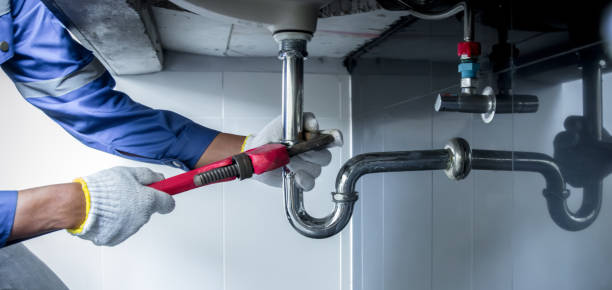
Here's exactly how a Masters Plumbing Service leak detection call plays out.
We start at the meter. All fixtures off, we watch the meter for 10 minutes. Movement confirms active water loss from the supply side. We also check for any visible evidence — water stains, soft floors, moisture readings with a moisture meter at suspect wall surfaces.
Zone isolation is the step that turns "there's a leak somewhere in the house" into "the leak is on the hot side supply, between the water heater and the master bath."
Within the isolated zone, we deploy thermal imaging first — scanning walls, floors, and ceilings for moisture anomalies. Then acoustic equipment confirms the specific pipe location and narrows it to the tightest possible point. Tracer gas is added if acoustic results aren't conclusive.
You receive a written detection report including pressure test results, detection method summary, leak location (described relative to fixed reference points), and thermal imagery. If you want us to repair the leak, we quote the repair and execute immediately. If you have your own plumber, the report gives them everything they need.

High-efficiency home with a leak that defied normal detection. Water loss was slow — about 1.5 gallons per hour. The tech used tracer gas after pressure testing confirmed the loss but acoustic detection couldn't localize it clearly. Gas detection found the escape at a micro-fitting under the slab in the utility corridor. Impressive work.
Our insurance company required professional leak detection documentation before approving the claim. Masters Plumbing Service's written report with pressure test data and thermal imagery was exactly what the adjuster needed. Claim approved. The detection cost was covered as part of the claim.
Pool was losing 2 inches of water per day — more than evaporation could explain. Masters Plumbing Service pressure-tested the plumbing circuit, isolated the issue to the return line, and ran acoustic detection along the line path to find the failure at a union fitting under the decking. Repair required pulling one deck board instead of the exploratory digging another company had proposed. Excellent, focused work.

Masters Plumbing Service provides professional Leak Detection for residential and commercial properties throughout Monroeville and the surrounding Monroeville, NJ service area. Detection appointments available most weekdays and Saturdays.

Masters Plumbing Service's detection team finds hidden leaks in Monroeville homes and commercial properties using equipment that eliminates guesswork. The detection appointment pays for itself the moment it prevents one unnecessary wall opening.
📞 Call +1-855-718-1500 Now